
Cycling more often: what to look for in an everyday bike
26.10.2026 12:07
To the office in the morning, a stop at the bakery on the way home, perhaps a detour through the park: cycling lets you combine these trips without traffic jams or searching for a parking space. You’re outdoors, getting some exercise and deciding where to stop along the way.
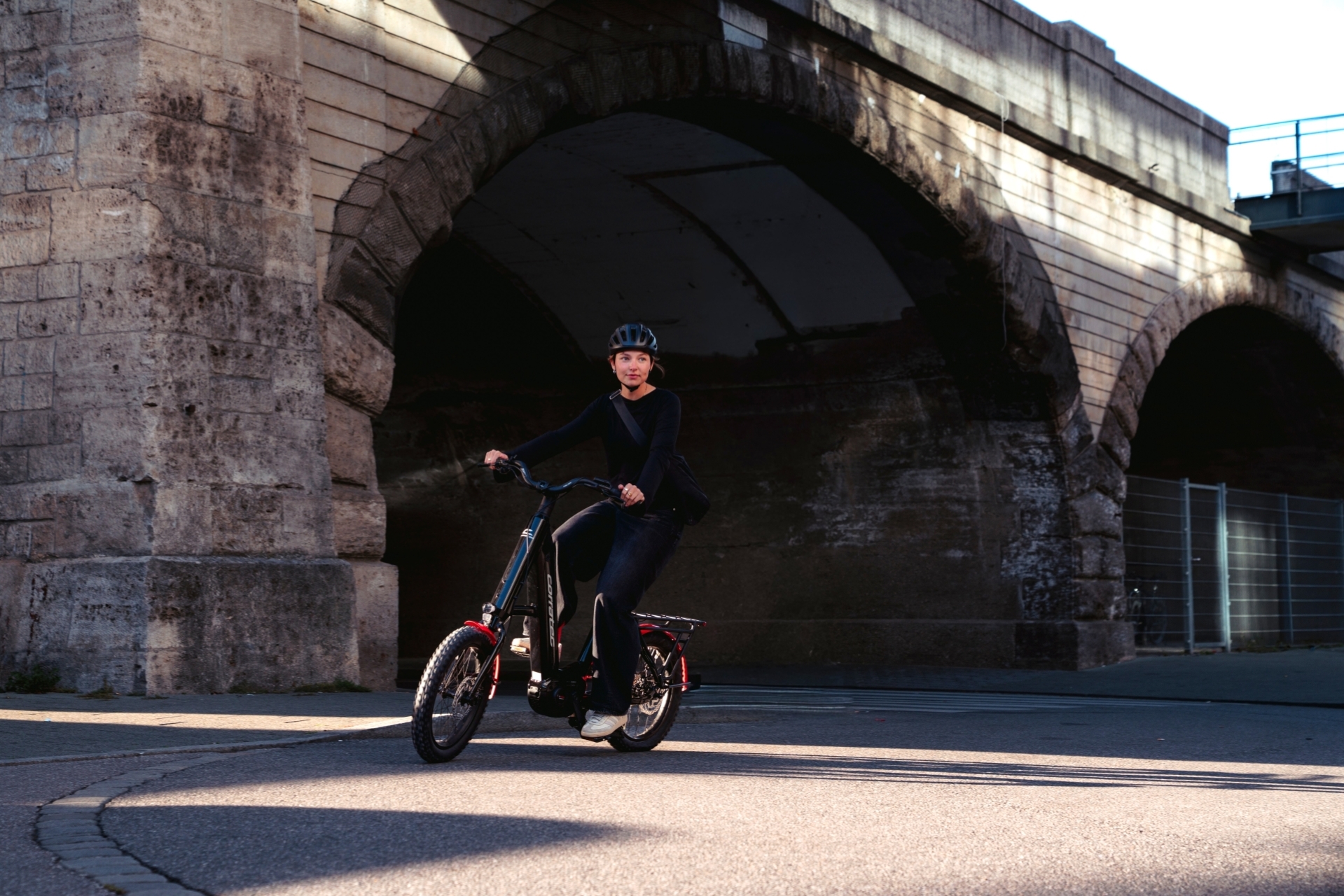
Whether cycling becomes second nature often comes down to small moments: getting on, stopping at a red light or parking outside your front door. These five points show what matters in an everyday bike, using the corratec Life S as an example: a compact e-bike with a low step-through frame, 20-inch wheels with wide tyres and room for luggage.
1. Getting on and stopping: Stay relaxed in city traffic
In city traffic, every ride involves constant restarts: braking, waiting, pulling away. Starting, stopping, manoeuvring and getting off all reveal how comfortable you feel handling a bike. A low step-through frame makes getting on and off easy, even with a bag or in your work clothes. The geometry of the Life S is designed to let you stay seated in the saddle and place both feet on the ground when you stop.
How well this works depends on your height and how the bike is adjusted. What matters is that you feel comfortable stopping and setting off again.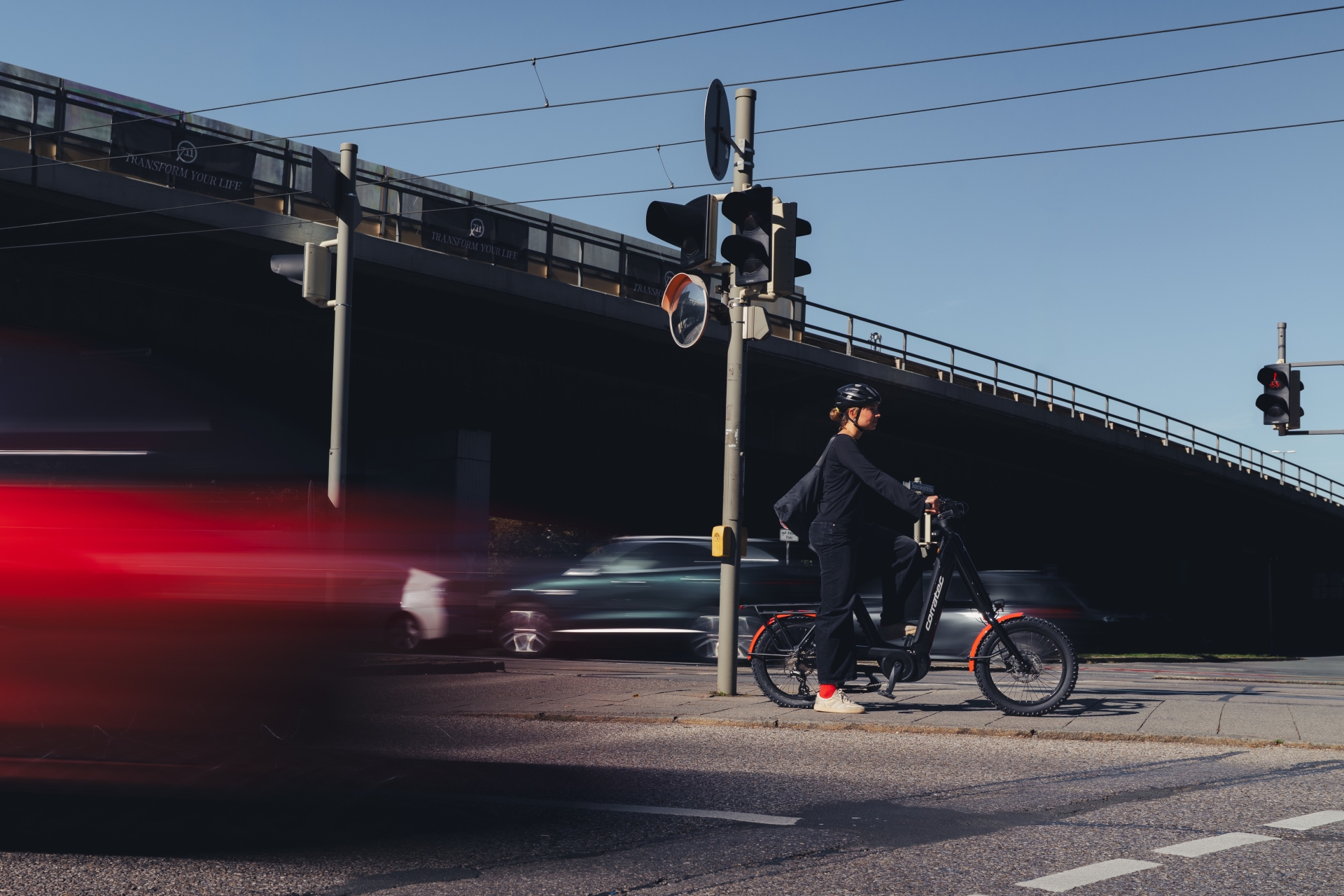
2. Tyres and riding position: Comfort on uneven surfaces
Cycle paths rarely consist of perfectly smooth asphalt. Cobbles, patched surfaces and bumpy driveways are part of everyday riding. Tyre volume and pressure also play a role in comfort on uneven surfaces. The wide tyres of the Life S help absorb bumps, provided the pressure is right for the tyres, load and route.
The upright riding position adds to the comfort. You can keep an eye on traffic while sitting comfortably. For everyday riding, comfort matters. When you enjoy the ride, you’re more likely to get back on tomorrow.
3. Luggage: Room for everything you take along
The Life S P7 and P7 Belt come equipped with a rear rack featuring a MIK HD interface, which accommodates compatible accessories with a load capacity of up to 27 kilograms. Before buying, check what you really need: Does the bag offer enough space? Is the basket easy to remove? Is there enough clearance between your feet and your luggage when pedalling?
To use a child seat, the bike, rack and seat must be explicitly compatible with one another. Your specialist retailer can show you which combinations and loads are permitted.
4. Assistance and lights: Ready for changing conditions
A hill after work, a headwind, fully loaded bags: electric assistance makes these journeys easier by bike, turning some trips you previously made by car into cycling trips. The Bosch drive system supports your pedalling at speeds of up to 25 km/h. You can adjust the level of assistance to suit your route and how you feel that day. The range of the 720 Wh battery depends on the assistance level, load, route profile and temperature.
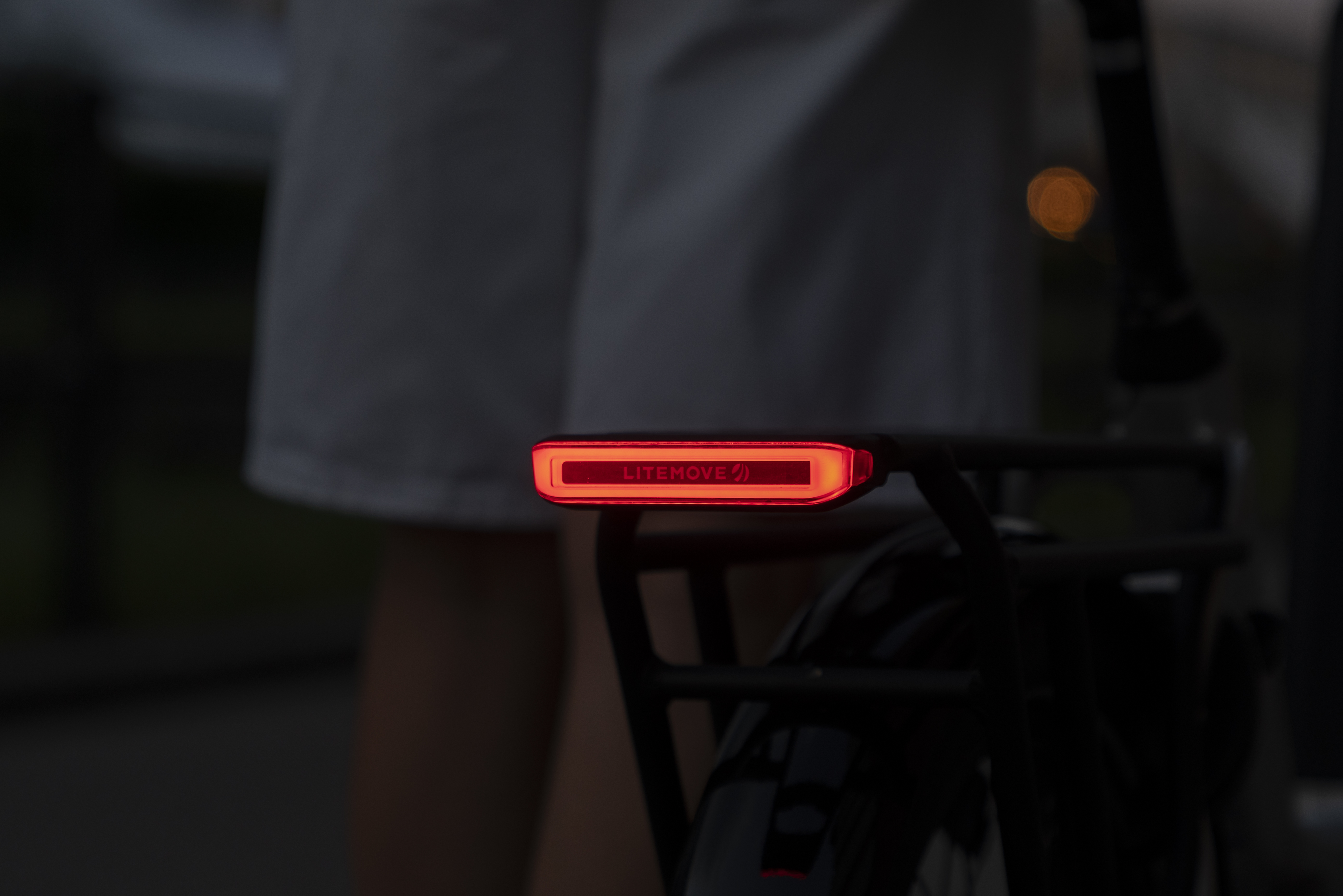
Good lights are another essential for everyday riding, especially when you head home later than planned. The rear light with brake light function shines brighter when you brake, helping others notice sooner that you’re slowing down.
5. Before and after the ride: Hallways, basements and charging
A bike needs to be easy to handle in the places where you use it every day. Small wheels alone tell you little about how easily it fits through a hallway or can be taken down to the basement. Dimensions, weight and the layout of your home all matter. Think about where you’ll lock up the bike and how you’ll charge the battery, too.
If several people share the bike, the Life S one-size frame can help, as it adjusts to suit different rider heights. Each person still needs a suitable saddle and handlebar position. If you want to keep drivetrain maintenance to a minimum, the Life S P7 Belt offers a belt drive instead of a chain.
Before you decide: Take a test ride
The best way to find out whether the Life S fits your everyday life is to ride it. To get the most out of a test ride at a retailer near you, try the situations you’ll encounter regularly:
- Stop and start several times: How securely can you put your feet down, and how easy does the bike feel to handle?
- Ride a familiar route: Include a short climb and different surfaces, and try out the assistance levels along the way.
- Try carrying luggage: Attach a suitable bag or basket directly to the bike.
- Push and park the bike: How well can you manage it in tight spaces?
Your next ride may be just around the corner
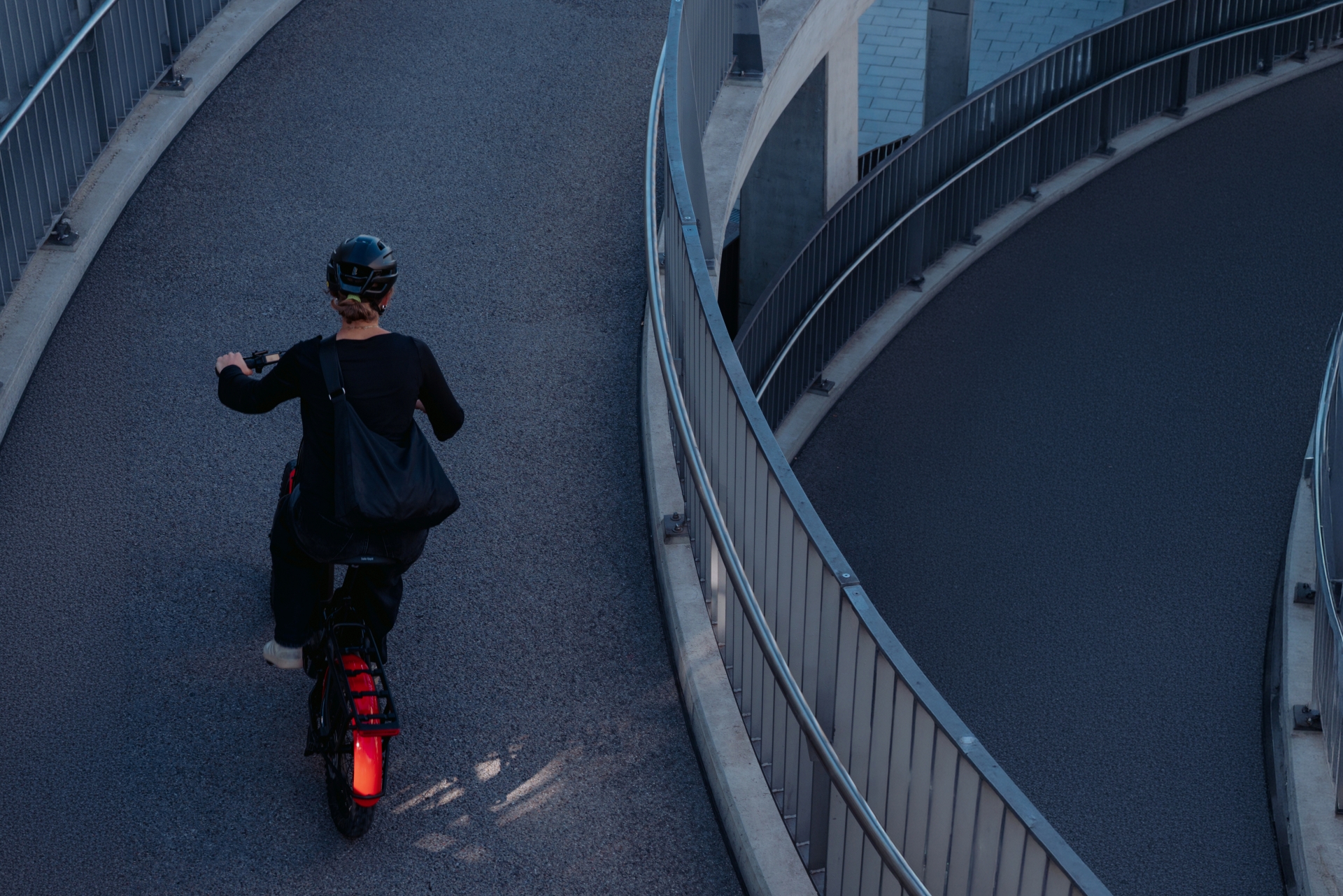
Perhaps it starts with a trip to the bakery on Saturday. Later, you add the commute to work and visits to friends. You get to know the quieter side streets and the best places to park your bike. Little by little, individual rides become a habit. A suitable everyday bike like the Life S can make getting started easier. And if you have a little time to spare on the way home, you can always take the route through the park.

- Silver, Red
- Silver, Blue
- Silver, Black
- Silver, Green
- Silver, Yellow
- Black, Red
- Black, Blue
- Black, Black
- Black, Green
- Black, Yellow
- uni

- Silver, Red
- Silver, Blue
- Silver, Black
- Silver, Green
- Silver, Yellow
- Black, Red
- Black, Blue
- Black, Black
- Black, Green
- Black, Yellow
- uni

- Black, Black
- Silver, Black
- Black, Red
- Silver, Red
- uni

- Silver, Red
- Black, Red
- Silver, Black
- Black, Black
- uni