
Inclusion in the workplace: corratec and Femos GmbH in focus
21.10.2025 08:58

Inclusion in the workplace means that people with disabilities have the same opportunities and chances as everyone else. This is not only a moral imperative, but also an economic advantage. By embracing a diverse workforce, companies can benefit from different perspectives and skills, leading to increased innovation and productivity.
In addition, inclusion helps create a positive work environment in which all employees feel valued and supported. This fosters employee satisfaction and retention, which in turn improves overall company performance.
For decades, corratec has been committed to social responsibility. Through various initiatives and partnerships, such as the collaboration with Femos gGmbH, the company actively supports the integration of people with disabilities into the labor market.
Our charity mission is focused on giving disadvantaged people an opportunity. We firmly believe that everyone has the potential to achieve great things when given the right support.
Femos gGmbH is an outstanding example of a successful inclusive enterprise. Covering an area of around 3,700 square meters, the e-Bike Welt Gärtringen offers a comprehensive range of e-bikes and services. The company employs people with disabilities and provides jobs that match their abilities and needs.
Through this approach, Femos gGmbH demonstrates that economic success and social responsibility can go hand in hand. The company proves that inclusion is not only possible, but also profitable.
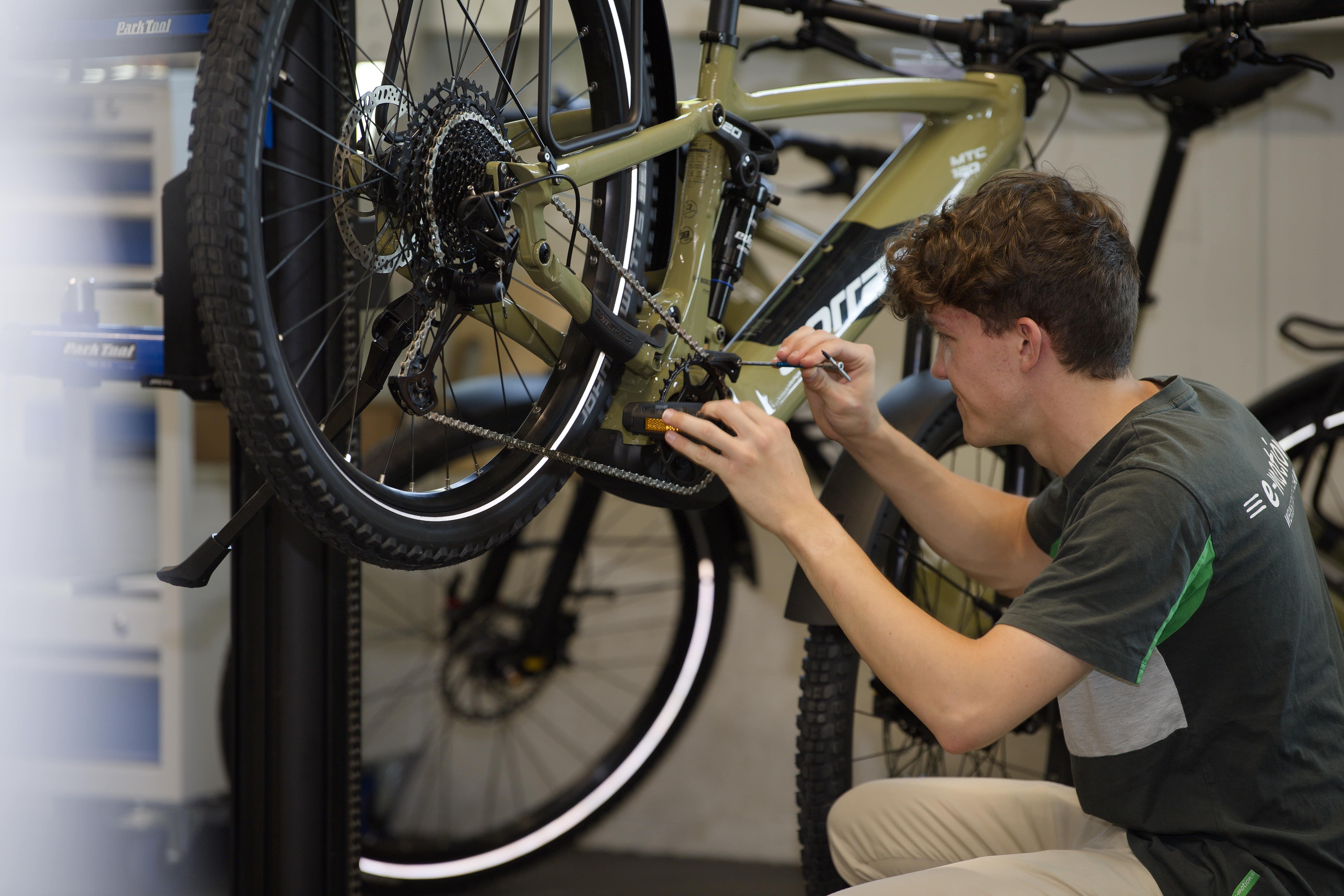
The collaboration between corratec and Femos gGmbH has already produced numerous success stories. Employees with disabilities report increased self-confidence and an improved quality of life. At the same time, companies benefit from the high level of motivation and commitment shown by these employees.
One concrete example is the story of Werner, who, despite his physical limitations, has taken on a leading role in customer service. His unique perspective and empathy have contributed significantly to improved customer satisfaction.
Despite the successes already achieved, many challenges still remain. Further efforts are needed to break down prejudices and barriers and to create a truly inclusive work environment.
In the future, it will be essential to continuously invest in the education and training of people with disabilities. Companies must provide flexible working models and supportive technologies to further promote integration. Only in this way can sustainable and successful inclusion in the workplace be ensured.